When a child needs surgery for a tumour, parents naturally want to understand the safest way to remove it. They may wonder whether the operation can be performed through smaller incisions and what recovery will involve. Minimally invasive surgery may be suitable for some children, but the decision depends on the tumour and the treatment required.
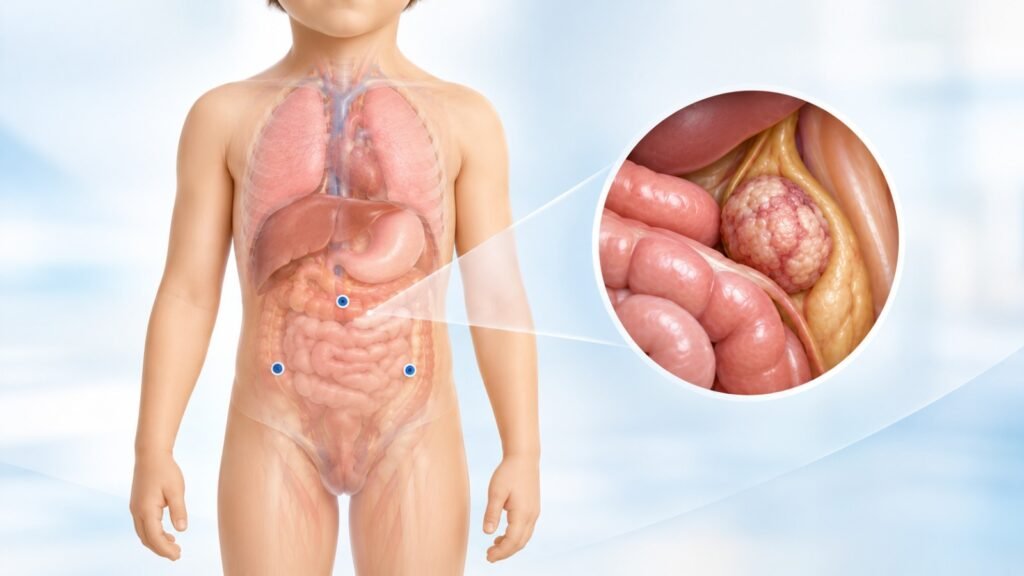
Minimally invasive surgery uses a small camera and specialised instruments inserted through small incisions. The camera shows the operating area on a screen, allowing the surgeon to work inside the body without making a large incision.
Two techniques are used for different parts of the body:
The technique depends on the tumour’s location and the operation required. Although the incisions are smaller, the surgeon still needs to handle the tumour carefully and protect nearby organs and blood vessels.
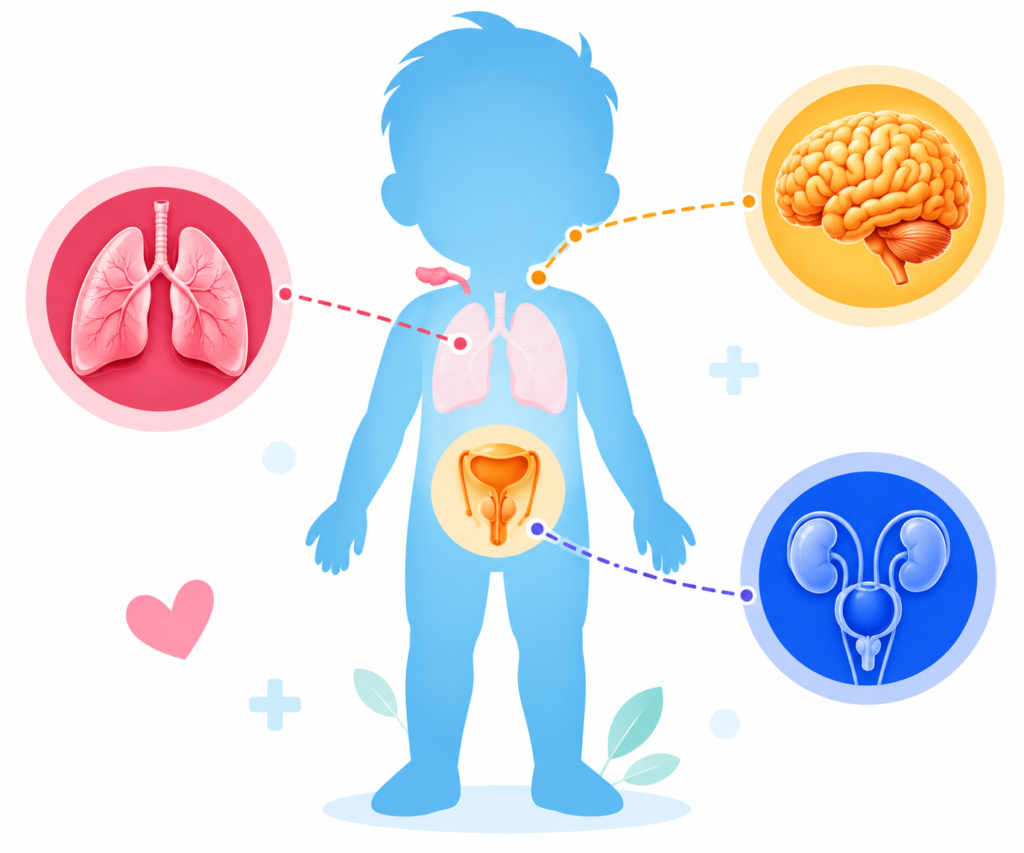
Minimally invasive surgery may be considered for certain childhood tumours, but it is not suitable for every child with cancer.
Depending on the diagnosis and clinical findings, it may be an option for selected neuroblastomas, some tumours in the chest, certain liver or pelvic masses, and selected lung lesions. In specific treatment settings, it may also be considered for certain kidney tumours. The indications and tumor suitable for this technique are limited.
These examples do not mean that every tumour in these categories can be removed through small incisions. The surgeon must consider the tumour’s size, location, extent and relationship with nearby structures. The child’s existing treatment plan also matters.
A review of the diagnosis and investigations helps the surgeon decide whether minimally invasive surgery is appropriate or whether another approach would be safer.
Parents may prefer smaller incisions, but open surgery can sometimes be the better option for their child.
It may be recommended when a tumour is large, difficult to remove intact or closely associated with major blood vessels and other important structures. A larger incision can give the surgeon better access and control during the operation.
Open surgery may also be needed when the tumour cannot be removed adequately through small incisions or when there is a concern about damaging it during removal.
Choosing open surgery does not mean that treatment is less advanced. The aim is to select an approach that allows the surgeon to carry out the required operation safely.
For children who are suitable candidates, minimally invasive surgery may offer some advantages. Smaller incisions can mean less discomfort after surgery, fewer wound-related problems in selected cases and less noticeable scars. Some children may also return to their usual activities sooner.
However, these benefits are not guaranteed. Recovery depends on the operation, the child’s health and whether further cancer treatment is needed.
Tumour surgery can also be technically challenging when the mass is close to major blood vessels or other important structures. A smaller incision does not automatically mean better cancer control or fewer complications.
The surgeon should explain the likely benefits and limitations for the individual child so that parents understand why a particular approach has been recommended.
The decision involves more than looking at the tumour’s size. The surgeon reviews the child’s scans, biopsy or pathology findings, previous treatment and overall condition.
The tumour’s location is particularly important. A mass close to major blood vessels, nerves or other organs may require a different approach from one that can be reached without affecting these structures.
The surgeon also considers whether the tumour can be removed safely and intact, and whether the planned operation meets the requirements of the child’s cancer treatment.
Previous treatment may influence the timing and type of surgery. The surgeon’s experience with the proposed technique is also important.
After reviewing these factors, the surgeon can explain the available options, why one approach may be preferred and what parents should expect from the operation.
During cancer surgery, the tumour must be handled carefully. The aim is to remove it according to the requirements of the particular cancer while avoiding rupture or spillage.
Tumour spillage means that tumour contents escape into the surrounding area during an operation. In certain childhood cancers, this can affect the stage of the disease and decisions about further treatment.
The removed tissue is also examined by a pathologist. The findings help confirm the diagnosis and may provide information needed to plan the next stage of care.
If the surgeon finds that the tumour cannot be removed safely through small incisions, changing to open surgery may be necessary. Protecting the child and achieving the required surgical result must take priority over completing the operation through the original approach.

Parents often want to know when their child can eat normally, return to school and resume everyday activities. The answers depend on the type of operation and the child’s condition.
After surgery, the medical team monitors the child, manages pain and explains wound care, activity restrictions and follow-up arrangements. The time needed to recover varies from one child to another.
The removed tissue is examined to confirm the relevant pathology findings. Depending on the diagnosis, the child may need additional treatment or regular follow-up appointments.
Before leaving the hospital, parents should understand how to care for the wound, which activities to avoid and whom to contact if they notice concerning symptoms.
 Posted on Google

 Sweta Kalgude
Trustindex verifies that the original source of the review is Google.
We are so grateful for Dr. Monica Bhagat! She is an incredibly kind, caring, and cooperative doctor. She treated my child with so much love and gentle care, which meant the world to us during those anxious moments. She took the time to explain every detail of the treatment so we always understood what was happening, and she was always there to patiently answer our questions whenever we had doubts. Her hands-on expertise and warm heart gave us so much comfort. We highly recommend her to any family! ❤️Posted on Google Praveen SureshDr. Monica Bhagat is an exceptional oncology surgeon who combines extensive knowledge and experience with genuine empathy and compassion. She is courteous, patient, and takes the time to make you feel comfortable and heard. Her professionalism and caring approach really stand out. Highly recommended!Posted on Google
 Dipak PandeThank you for treating our child with so much love and care ...Posted on Google
 GOPAL KumarDr. Monica is the best pediatric oncosurgeon in Mumbai. She explains everything in a very easy language. Highly recommended 💯Posted on Google
 Ravi FuleriyaDr. Monica is an good surgeon, really supportive and nice explanation, thankyouPosted on Google
 Vaibhav PataniWe consulted Dr. Monica Bhagat in Mumbai and had a really good experience. She is a very patient and approachable pediatric oncosurgeon. She explained everything clearly and answered all our questions without rushing us. Very thankful for her guidance and support.
Minimally invasive tumour operations in children generally require general anaesthesia. The anaesthesia team assesses the child's health and the planned procedure before deciding how to manage anaesthesia safely.
Yes. If the tumour cannot be accessed or removed safely through small incisions, the surgeon may change to open surgery. This decision is made to allow the operation to be completed safely.
Tissue removed during surgery is generally sent for examination by a pathologist. The findings help confirm the diagnosis and may guide decisions about further treatment.
Yes. Small incisions can leave scars, although their appearance varies depending on the location of the incisions, the procedure and how the child's skin heals.
Bring available scan reports and images, biopsy or pathology reports, details of previous treatment and records of earlier surgery, if applicable. These help the surgeon review the diagnosis and discuss suitable options.
Yes. Parents can request a review of the diagnosis, scan images, pathology findings and proposed operation before making a decision. This can help them understand why a particular approach has been recommended and whether other options may be appropriate.
Families in Mumbai considering tumour surgery for their child can consult Dr. Monica Bhagat to discuss the diagnosis and available surgical options.
The consultation can help establish whether a minimally invasive approach is suitable or whether open surgery would be better for the child's condition. Parents should bring available scan images, biopsy or pathology reports and details of previous treatment.
Dr. Monica Bhagat
Typically replies within minutes
Any questions related to Minimally Invasive Pediatric Tumour Surgery?
WhatsApp Us
Online | Privacy policy
Balco Medical Centre, Vedanta Medical Research Foundation, Sector-36, AtalNaga, PO:Uparwar, Raipur, Chhattisgarh 493661
Mulund - Goregaon Link Rd Nahur West, Industrial Area, Bhandup West, Mulund West, Mumbai, Maharashtra 400078
1, 1A, Keshavrao Khadye Marg, Haji Ali, Haji Ali Government Colony, Mahalakshmi, Mumbai, Maharashtra 400034,
1st, Pokhran Rd, Shastri Nagar, Vartak Nagar, Thane West, Thane, Maharashtra 400606
Thane Hiranandani Estate, Queens Street, opposite the Brentford Building, Patlipada, Ghodbunder Road, Thane West, Maharashtra 400607.